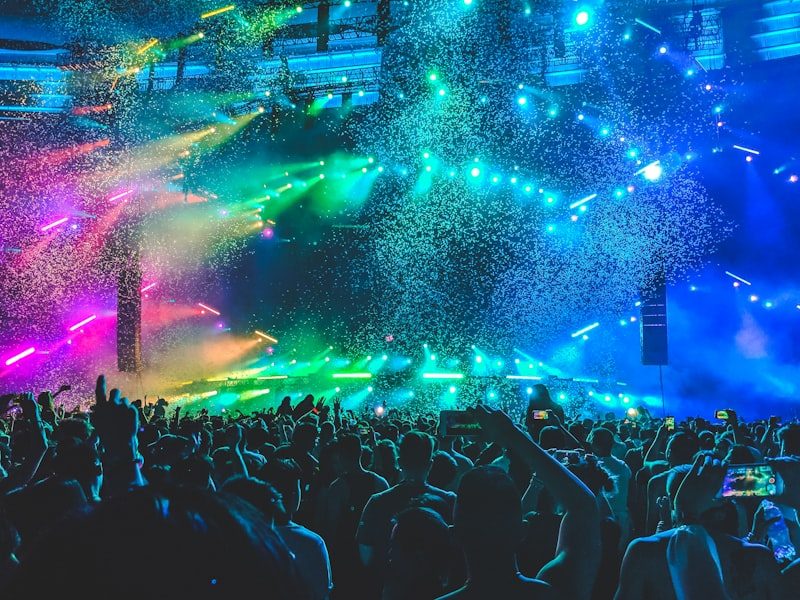
Bulgaria won Eurovision 2026 in Vienna — which means Bulgaria hosts Eurovision 2027. The host city race has narrowed to two finalists, Sofia and Burgas, with a decision from BNT and the EBU expected by the end of July 2026. This guide covers ticket-buying, dates, and budget — steps that apply either way — while the transport and accommodation sections currently assume Sofia, the perceived frontrunner. We'll update those specifics fast once the host city is confirmed.
The Host City: Down to Two
Four Bulgarian cities originally bid to host: Sofia, Plovdiv, Varna, and Burgas. Plovdiv and Varna were eliminated in the first evaluation round — their venues didn't meet the EBU's capacity requirements without costly, time-limited expansions. That leaves two real finalists, and BNT (Bulgaria's national broadcaster) has said the winner will be named by the end of July 2026 — so an announcement may already be close, or made, by the time you're reading this.
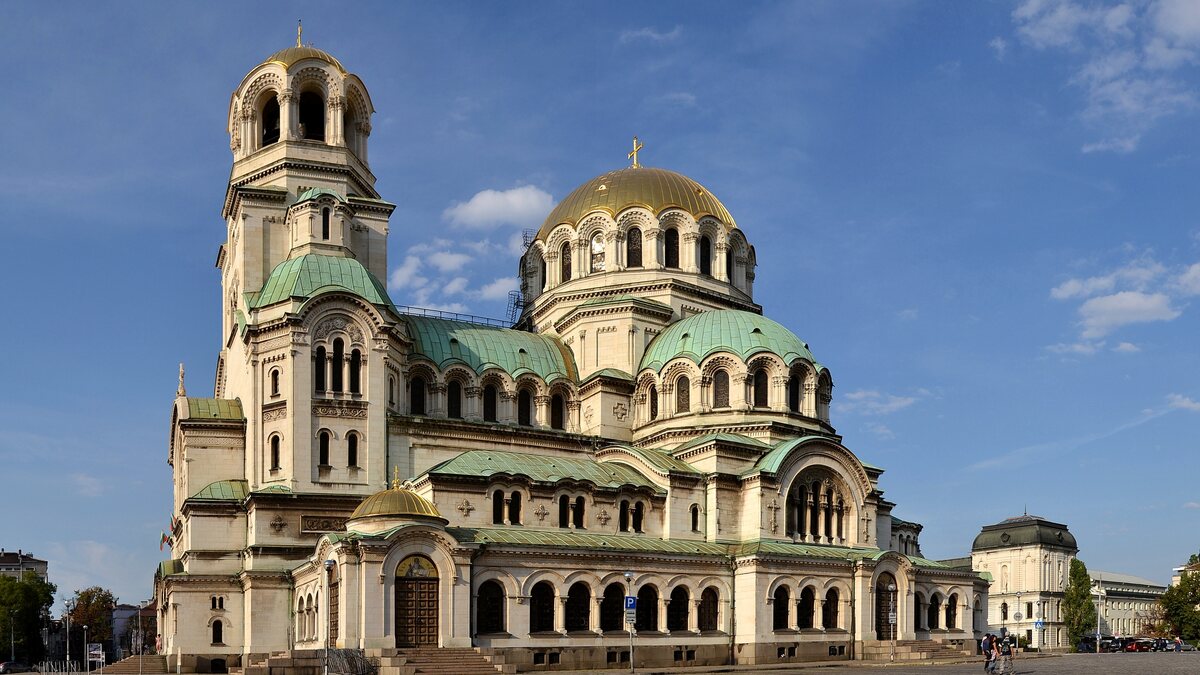
Sofia — the frontrunner
Bulgaria's capital and largest city (population ~1.3 million). Its bid centres on Arena 8888 (formerly Arena Armeec), the country's biggest indoor venue at close to 18,000 seats. Sofia also has by far the busiest international airport and the deepest hotel stock in the country, plus direct experience hosting an EBU event — the Junior Eurovision Song Contest in 2015.
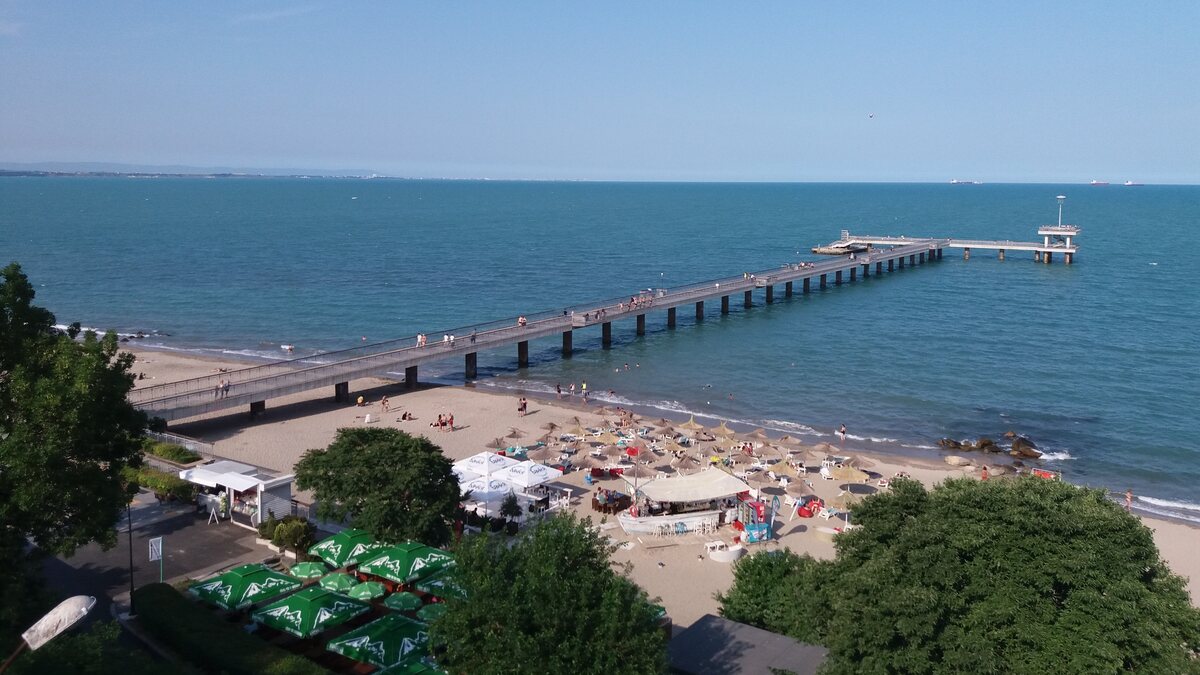
Burgas — the coastal contender
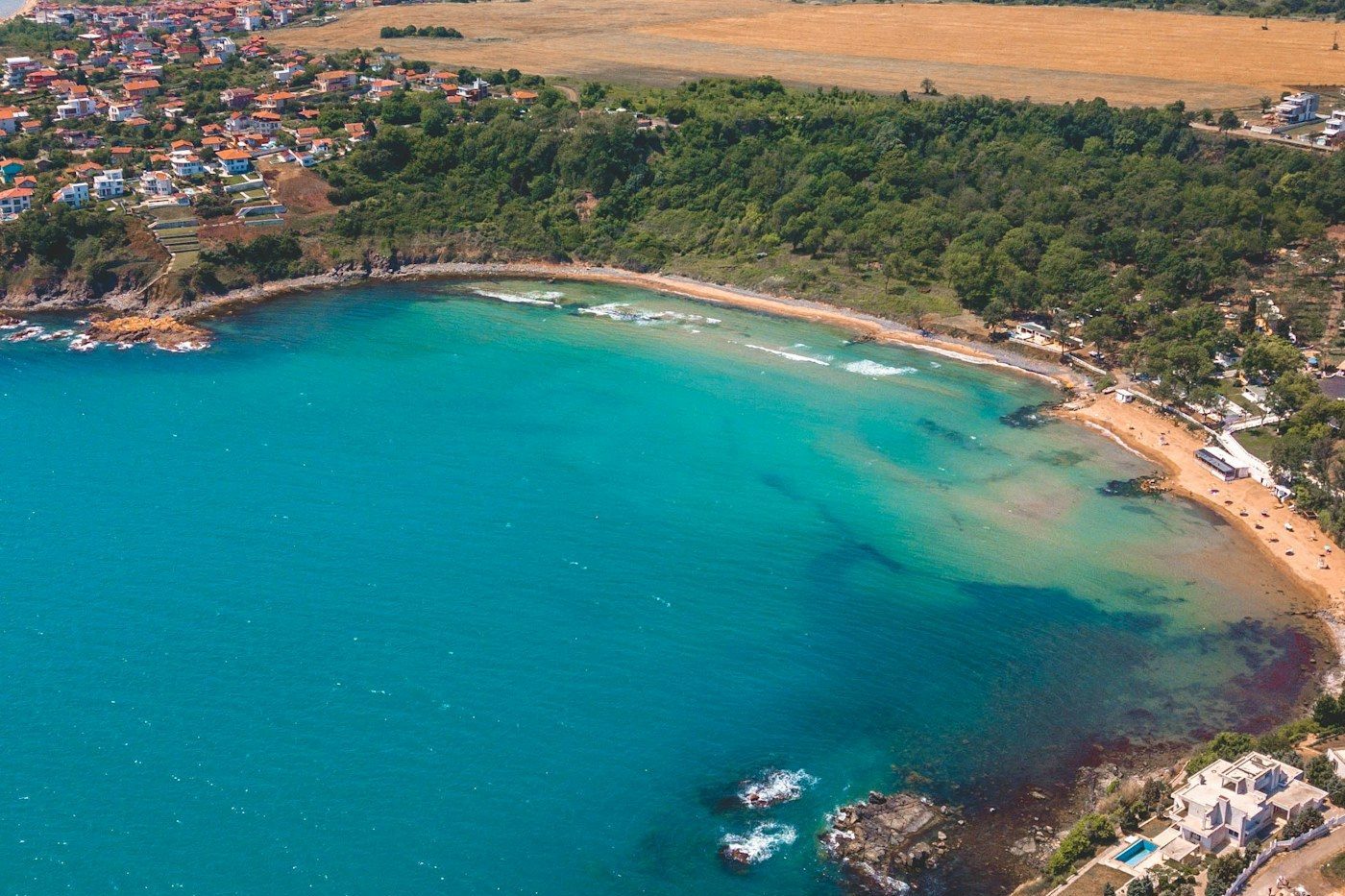
Bulgaria's fourth-largest city (~200,000 residents). Its bid centres on Arena Burgas, opened in 2023 with roughly 15,000 seats — one of only two Bulgarian venues that meet the EBU's minimum capacity outright. Burgas has its own international airport and extensive Black Sea resort accommodation, though a smaller off-season hotel base than Sofia. Several industry observers consider its technical bid the stronger of the two.
Sofia's year-round transport links and existing infrastructure make it the perceived frontrunner, though Burgas has a genuinely competitive bid. Everything below — dates, tickets, budget — applies either way. The transport and accommodation sections currently assume Sofia; check the latest news before booking anything city-specific, and we'll update this guide fast once the EBU confirms.
Step 1: Get the Dates Right
Eurovision week spans roughly 8 days. Two semi-finals plus the Grand Final, each with a public dress rehearsal the day before. If you can only come for one event, the Grand Final is the obvious choice. If you want the full experience, arrive by semi-final 1 and stay through the final weekend.
Block out the third week of May 2027. Exact dates will be confirmed by the EBU once the host city is finalised. Set a Google Alert for "Eurovision 2027 dates" now.
Step 2: Tickets — How Not to Get Scammed
Official Eurovision tickets are sold exclusively through the EBU-approved partner — likely Ticketmaster or a Bulgarian national platform. Sales typically open in three waves: fan club pre-sale, EBU public ballot, and open sale. Vienna 2026 sold out within 90 minutes. For Sofia 2027, register now with OGAE Bulgaria and follow Eurovision.tv for sale announcements.
Avoid every reseller. StubHub, Viagogo, and similar platforms will list Eurovision tickets at 5–15× face value. The EBU has invalidated resold tickets at previous contests. There is no safe secondary market — only the official channel is guaranteed.
Can't get arena tickets? The Eurovision Village (free outdoor fan zone) screens all shows live and hosts performances throughout the week. It is genuinely worth attending even without an arena ticket.
Step 3: Getting to Sofia
Sofia Airport (SOF) is Bulgaria's main international hub. Direct routes operate from most major European cities: London, Berlin, Paris, Amsterdam, Vienna, Rome, Warsaw, Istanbul, and more. Book flights 6–9 months in advance — prices double and sometimes triple as Eurovision week approaches. Key airlines: Ryanair, Wizz Air, easyJet, Bulgaria Air, Lufthansa.
No direct flight from your city? Connect via Vienna, Frankfurt, Istanbul, or Amsterdam. Journey times from most of Europe: 2–4 hours. Contact us if you need a transfer from the airport straight to your hotel — handy if you land late or are travelling with a group.
Step 4: Where to Stay
Sofia has a solid range of options, and prices outside Eurovision week are genuinely low by European standards. Book as early as possible — Liverpool 2023 saw regular hotels charging 4× normal rates by the time tickets went on sale.
- Arena area / Studentski Grad — closest to the most likely venue (Arena 8888). Practical but not atmospheric.
- City centre / Vitosha Blvd — restaurants, bars, nightlife, walkable. Best base for the full experience.
- NDK area — likely location of the Eurovision Village. Excellent choice for those without arena tickets.
- Apartments — a central Sofia apartment gives more space at lower cost than a hotel room. Ask us to find the right apartment or stay for you — book as soon as tickets go on sale.
Let us lock in your room at today's price before the surge — or just tell us your dates and budget and we'll line up a few good restaurants and bars near your base too.
Getting Around Sofia During Eurovision Week
Sofia has a metro (2 lines + Ring line), trams, and buses. A single ride is just €0.80 (tap your contactless card or phone directly at the validator — no app needed), a one-day pass covering every mode is €2, and a 3-day pass for the whole Eurovision weekend is €7.60. Taxis are cheap by Western standards — a cross-city journey costs €3–€6. Uber does not operate in Bulgaria (banned since 2015); use TaxiMe or Yellow Taxi instead. During Eurovision, traffic near the venue will be heavy: metro and walking are your friends for show nights. Ask us to book you travel passes in advance so they're waiting for you on arrival.
What to Do Beyond the Arena
Sofia rewards exploration. Even if you're only here for Eurovision, these are worth your time:
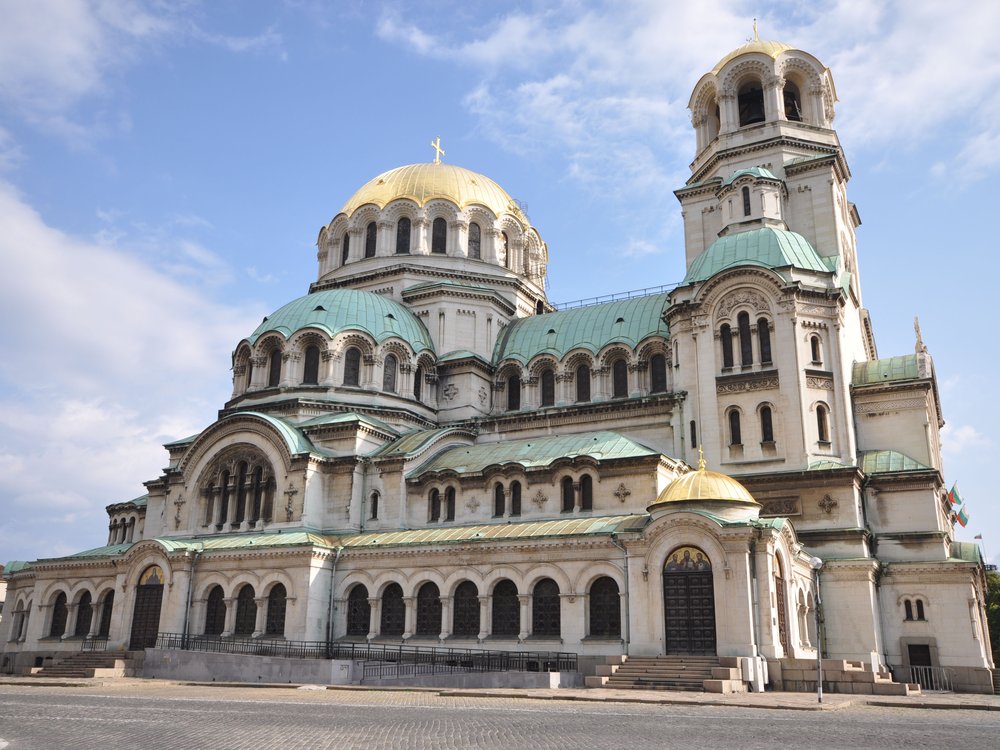
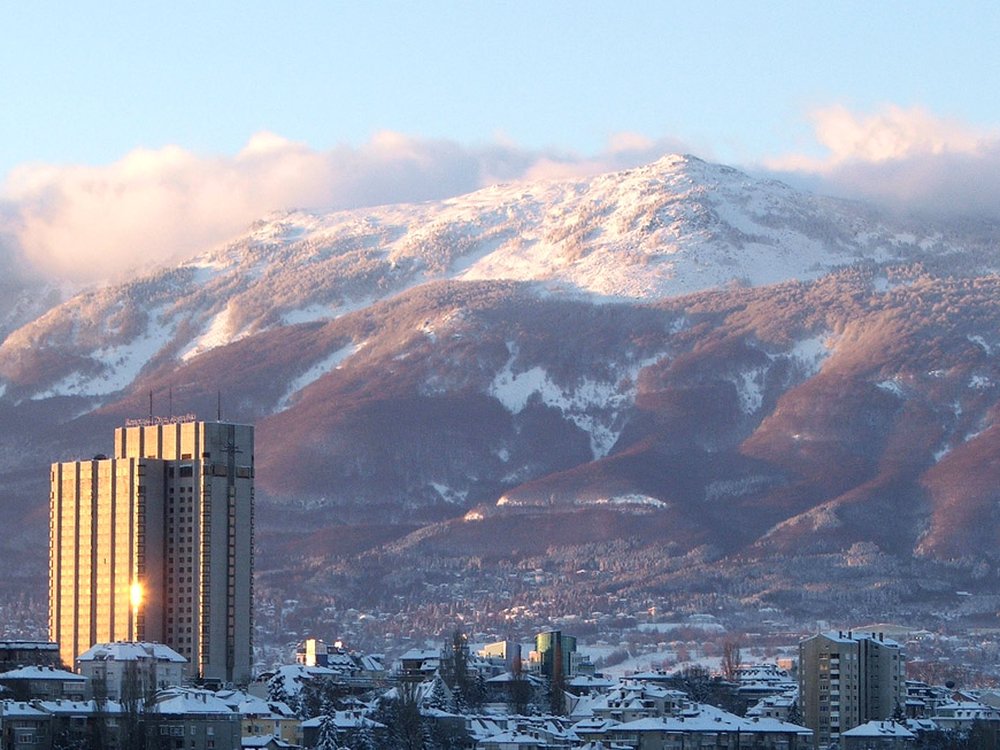
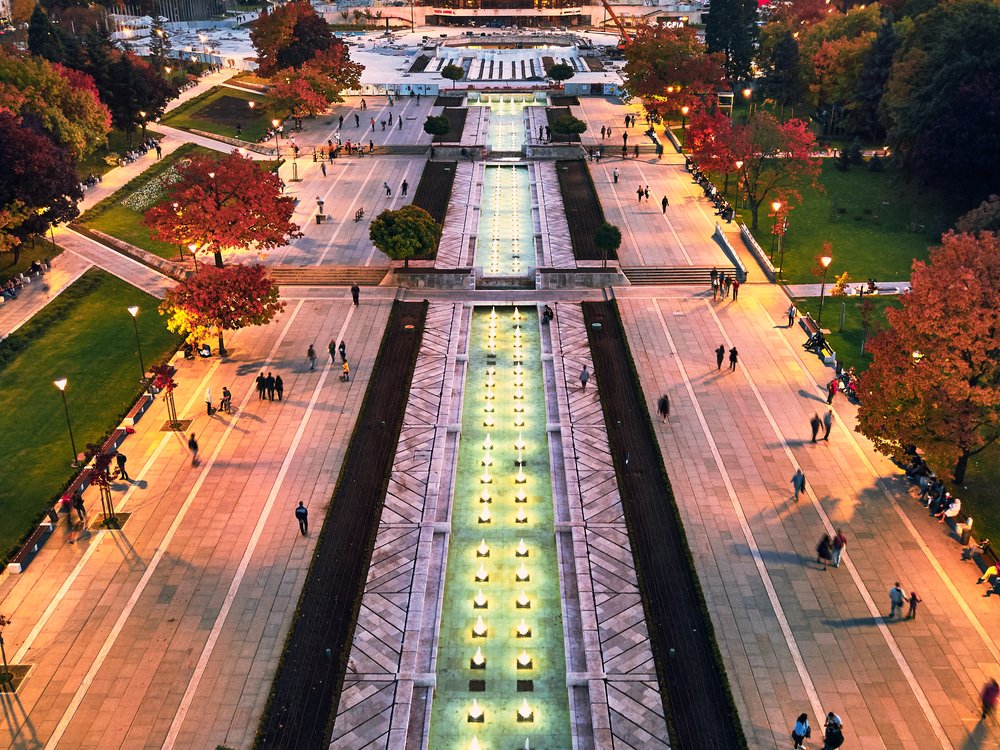
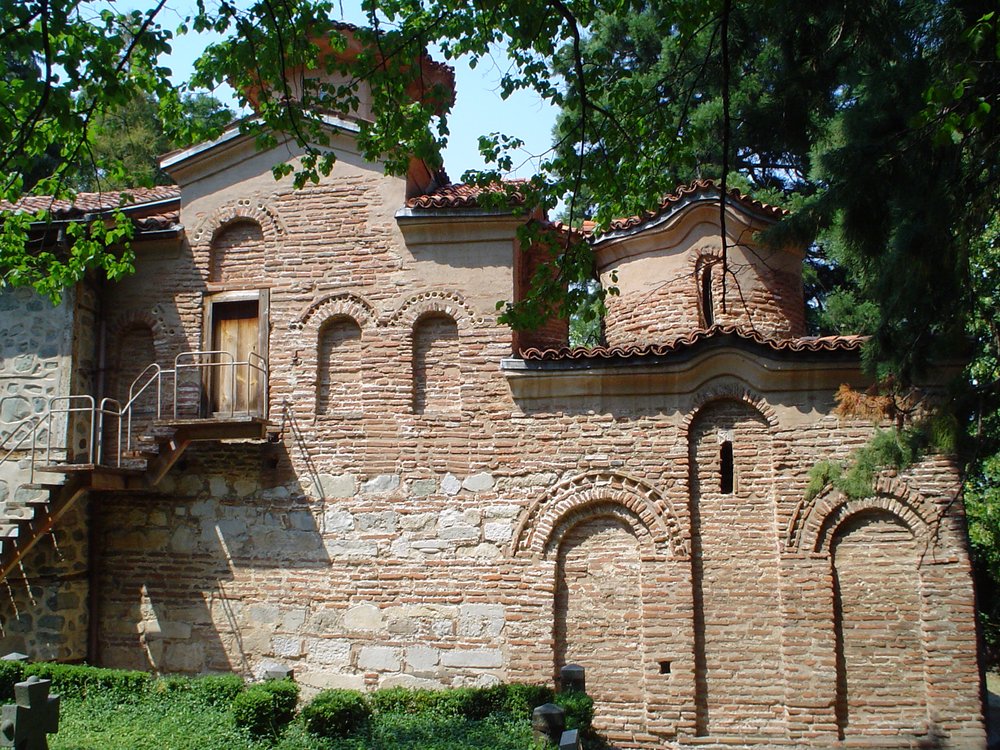
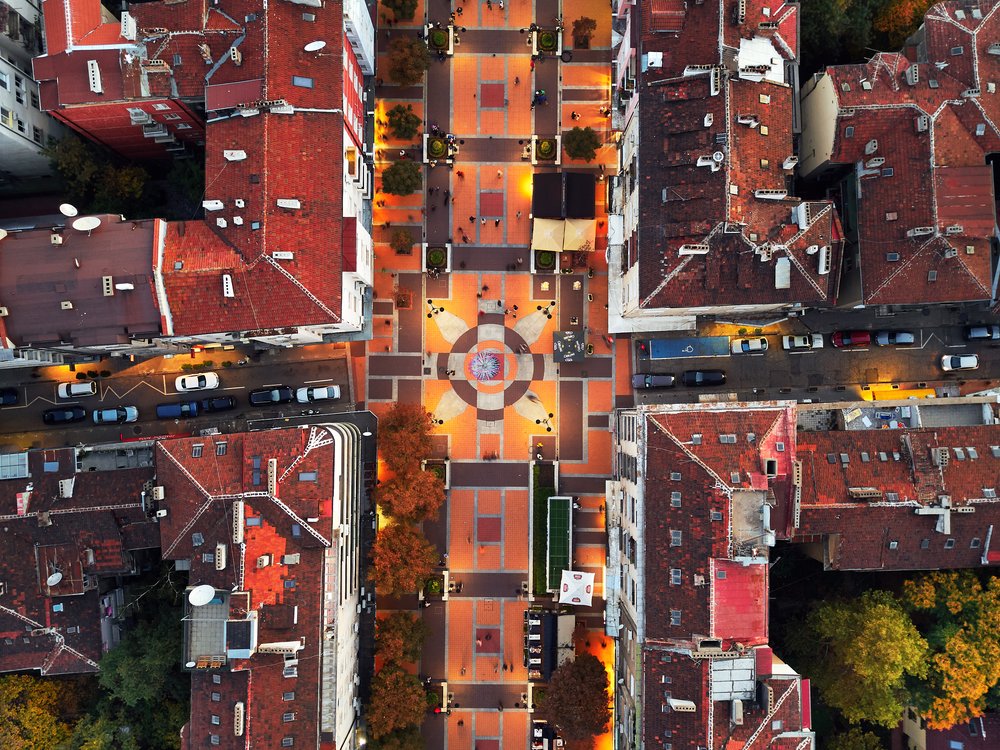
Want to see more of the country while you're here? Ask us to recommend or book you excursions, tours to Plovdiv, Rila Monastery, or the Black Sea coast — easy day trips if you're staying the full week.
Food & Budget
Sofia is genuinely affordable by European standards. A sit-down restaurant meal: €8–€18. A coffee: €1.50–€2.50. A beer: €1.50–€3.00. Budget for €60–€80/day for comfortable tourist spending including food, transport, and incidentals — significantly less than Paris, Amsterdam, or Zurich.
The best value food in Sofia is in the traditional mehana restaurants away from the tourist centre — ask locals or check Google Maps for restaurants with a high number of Bulgarian-language reviews. Cards are accepted almost everywhere, but it's worth carrying a little cash for markets and small cafés.
Practical Tips
- Currency: Euro (€). Bulgaria officially adopted the Euro in January 2026, so there's no currency to exchange or convert — just bring what you'd use anywhere else in the Eurozone.
- Language: English is widely spoken in hotels, restaurants, and tourist areas. Less common outside the centre.
- SIM: skip the airport kiosks — ask us to arrange a local SIM (Yettel, A1, or Vivacom) for you, including data, ready before you land.
- Weather in May: warm and pleasant — typically 18–25°C. Pack layers for evenings.
- Safety: Sofia is safe by European standards. Normal urban awareness applies.
Eurovision week turns Sofia into something it rarely is — loud, international, and unmistakably festive, with fans from across the continent filling the same cafés and squares locals use every day. Away from the arena, the city itself is still the main event: walkable, inexpensive, and unhurried in a way most European capitals stopped being years ago. Come for the contest, but leave a day or two spare to actually see the place — it tends to be the part visitors remember longest.