Bulgaria's cost of living is roughly 30% lower than the EU average — but what does that actually mean for your monthly budget? Bulgaria officially joined the eurozone on 1 January 2026, retiring the lev at a fixed rate of 1 EUR = 1.95583 leva, and prices across the country have been resettling since. Here are real, current numbers for expats in Sofia, Plovdiv, Varna, Burgas, and the Sunny Beach / Sveti Vlas coast, with no sugarcoating.
Rent — The Biggest Variable
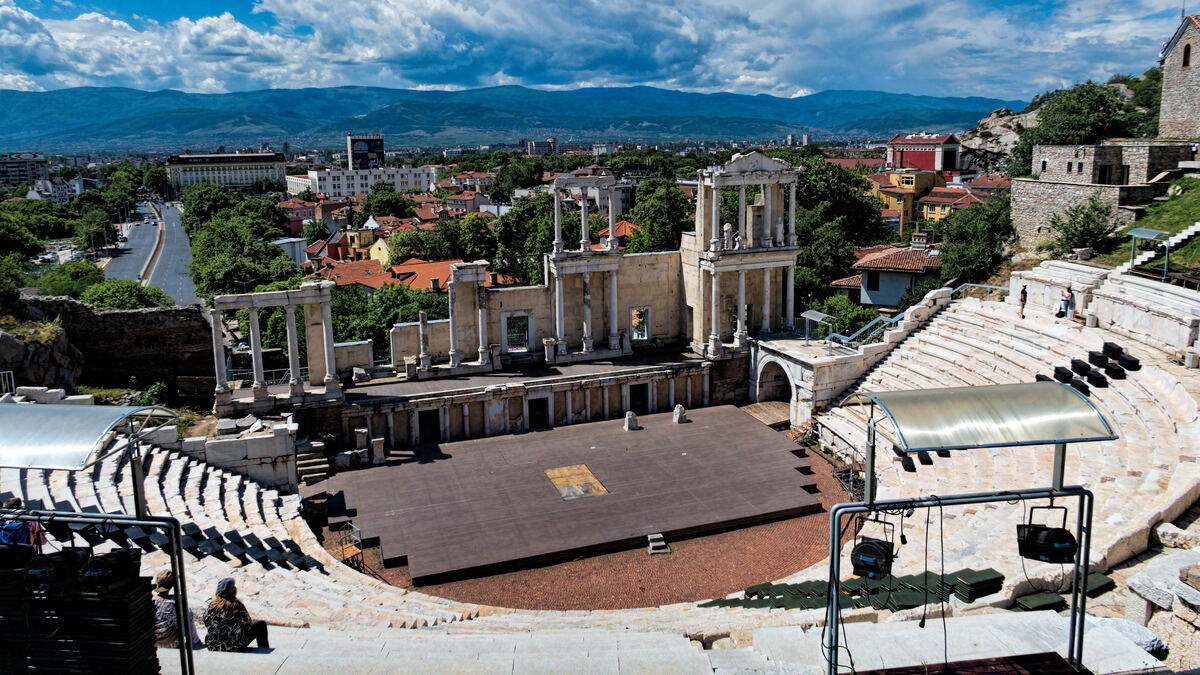
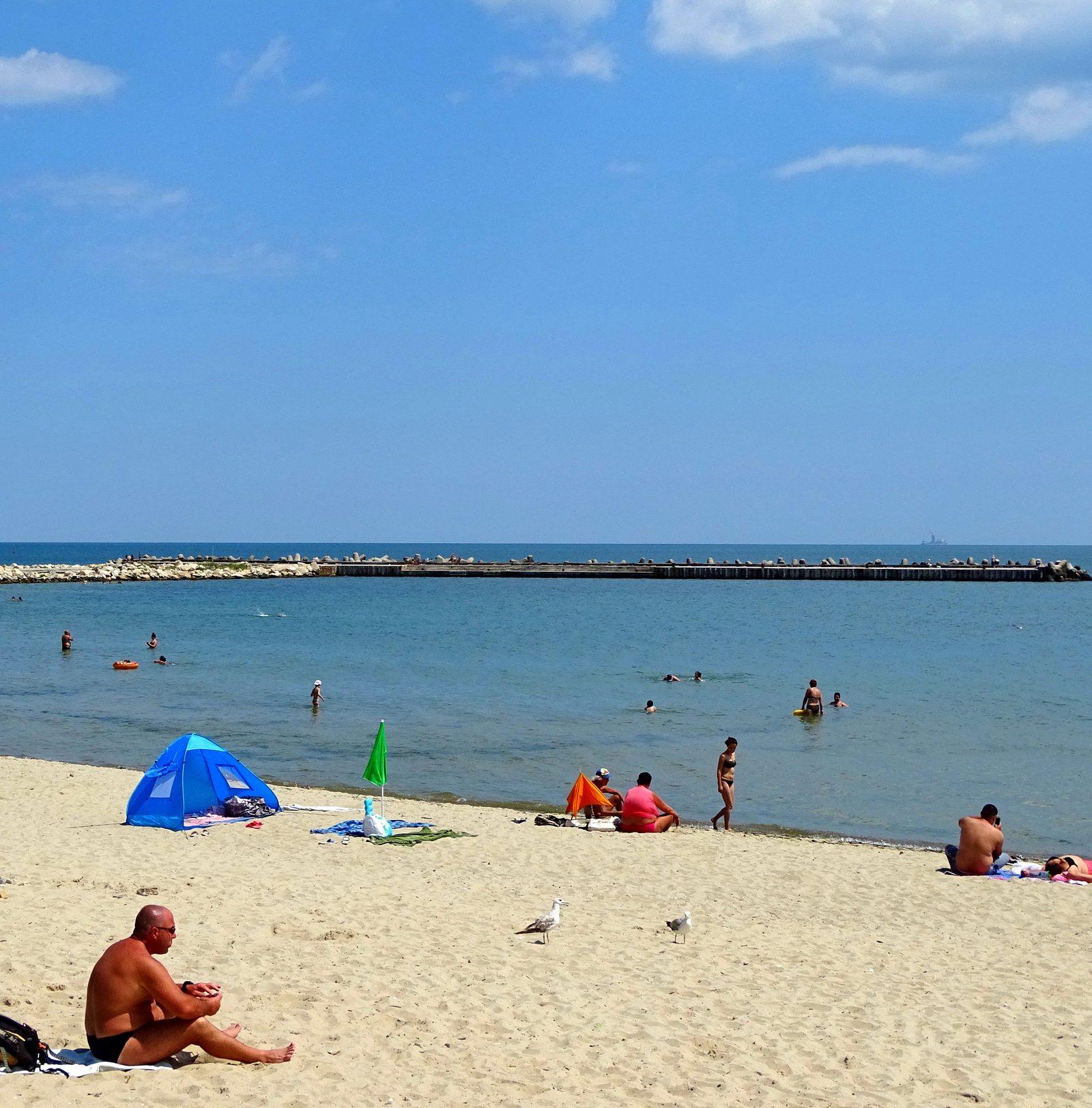
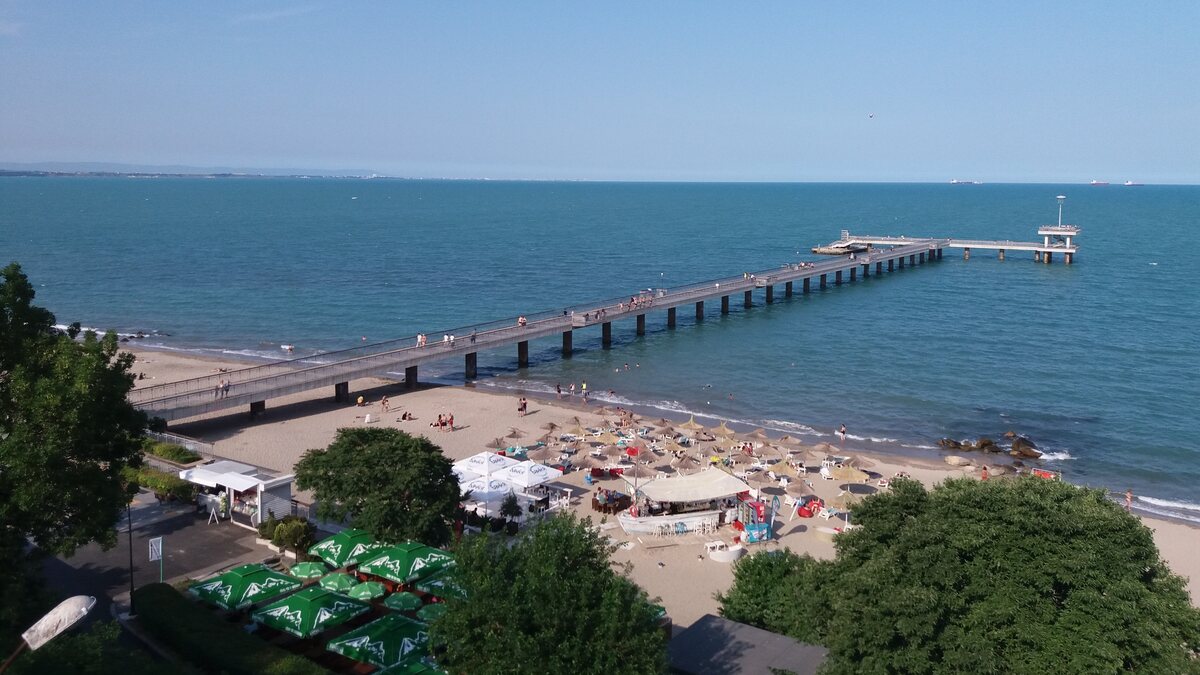
Rent varies significantly by city and neighbourhood, and it remains the single biggest swing factor in any Bulgarian budget. Sofia is the most expensive city but still sits far below Western European capitals — a decent 1-bedroom in a good neighbourhood runs around €500/month, rising to €600–€700 in the centre or most sought-after streets. The coast and Plovdiv stay noticeably cheaper, though Burgas and the Sunny Beach / Sveti Vlas area have firmed up over the last year as both have become popular with remote workers chasing sea views on a budget.
| Property type | Sofia centre | Sofia suburbs | Plovdiv | Varna | Burgas | Sunny Beach / Sveti Vlas |
|---|---|---|---|---|---|---|
| Studio | €420–€550 | €330–€420 | €280–€380 | €320–€430 | €330–€420 | €300–€400 |
| 1-bedroom apartment | €600–€700 | €400–€500 | €320–€450 | €380–€520 | €400–€460 | €350–€440 |
| 2-bedroom apartment | €750–€1,150 | €550–€750 | €450–€650 | €500–€750 | €520–€680 | €480–€620 |
| 3-bedroom apartment | €1,000–€1,700 | €700–€1,000 | €600–€900 | €650–€950 | €650–€740 | €600–€720 |
Figures reflect 2026 asking rents for long-term leases, post-euro conversion. Sunny Beach / Sveti Vlas pricing is more seasonal than the other cities — short-term holiday-let demand pushes summer rates higher, while winter long lets are often cheaper than the table above.
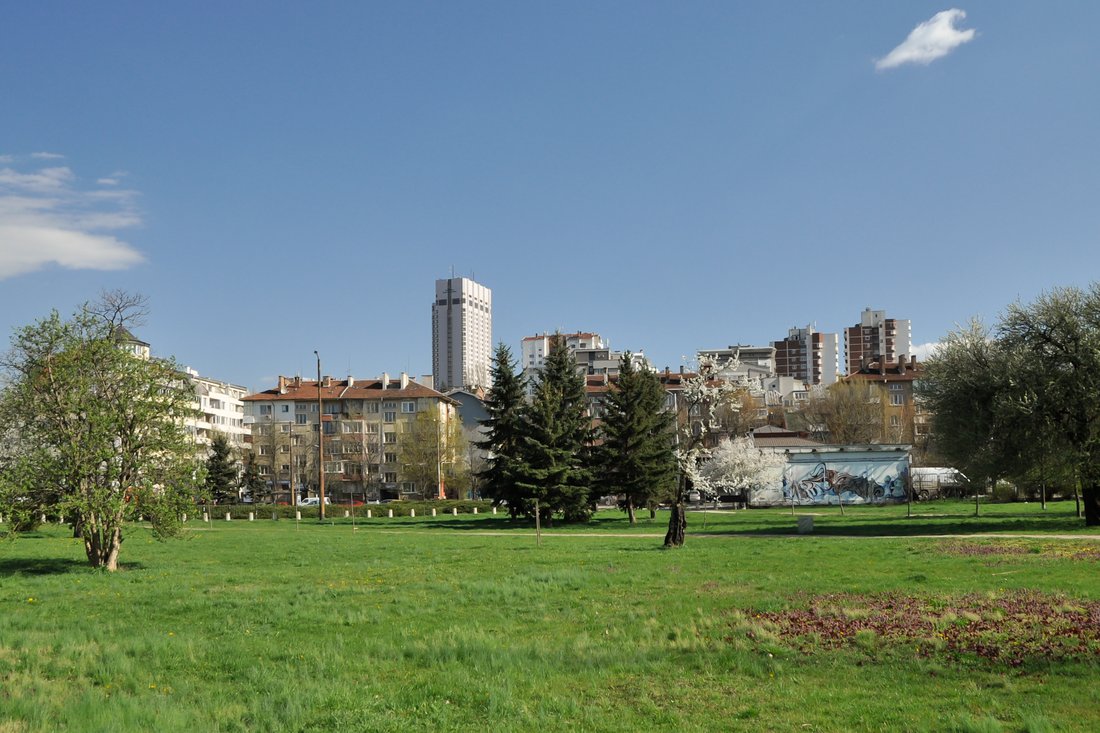
Key neighbourhoods in Sofia: Lozenets and Iztok are the most popular among expats — modern, walkable, close to international schools and Borisova Gradina, the city's largest park. Vitosha (near the mountain) offers green surroundings at slightly lower prices. Mladost and Studentski Grad are the most affordable while remaining well-connected. The cheapest pockets of the city overall are Lyulin and Nadezhda; the priciest are Lozenets, Iztok, and the Centre/Krastova Vada/Oborishte area.
Not sure which neighbourhood fits your budget and lifestyle? We can help you find the right accommodation for you — just tell us what you're looking for.
Food: Groceries and Eating Out
Groceries
A weekly grocery shop for a single person typically runs €45–€65 — a touch higher than before the euro changeover, but still a fraction of Western European prices. The big chains (Kaufland, Billa, Lidl, Fantastico) cover the basics reliably and cheaply. But the more interesting shopping in Bulgaria happens outside the supermarket: small, family-run greengrocers and local markets like Premier Food Market sell fruit and vegetables that were picked that morning, often from a farm down the road, at prices the supermarkets can't match — and a flavour they really can't match.

Bulgarian dairy deserves a special mention. Yogurt and sirene (the brined white cheese behind shopska salad and banitsa) are a genuine highlight of shopping here, and small dairies and local shops tend to carry versions noticeably better than the supermarket own-brand. New to the area and not sure where to shop? Ask us to help you find the best local produce for your budget.
Eating Out

- Coffee at a café: €1.60–€2.60
- Lunch in a local restaurant (3 courses): €7–€11
- Dinner at a mid-range restaurant per person: €13–€24
- International restaurant (higher end): €22–€38 per person
Bulgarian cuisine is worth seeking out on its own terms — kavarma stewed slowly in a clay pot, kebapche off the grill, banitsa for breakfast, simple sliced tomatoes with sirene drizzled in olive oil — and Sofia and Plovdiv in particular have dining scenes well above what the prices suggest. If Bulgarian food isn't quite what you're craving, you won't struggle either: both cities (and the coast in summer) have a full range of Italian, Asian, and other European restaurants alongside the traditional mehanas.
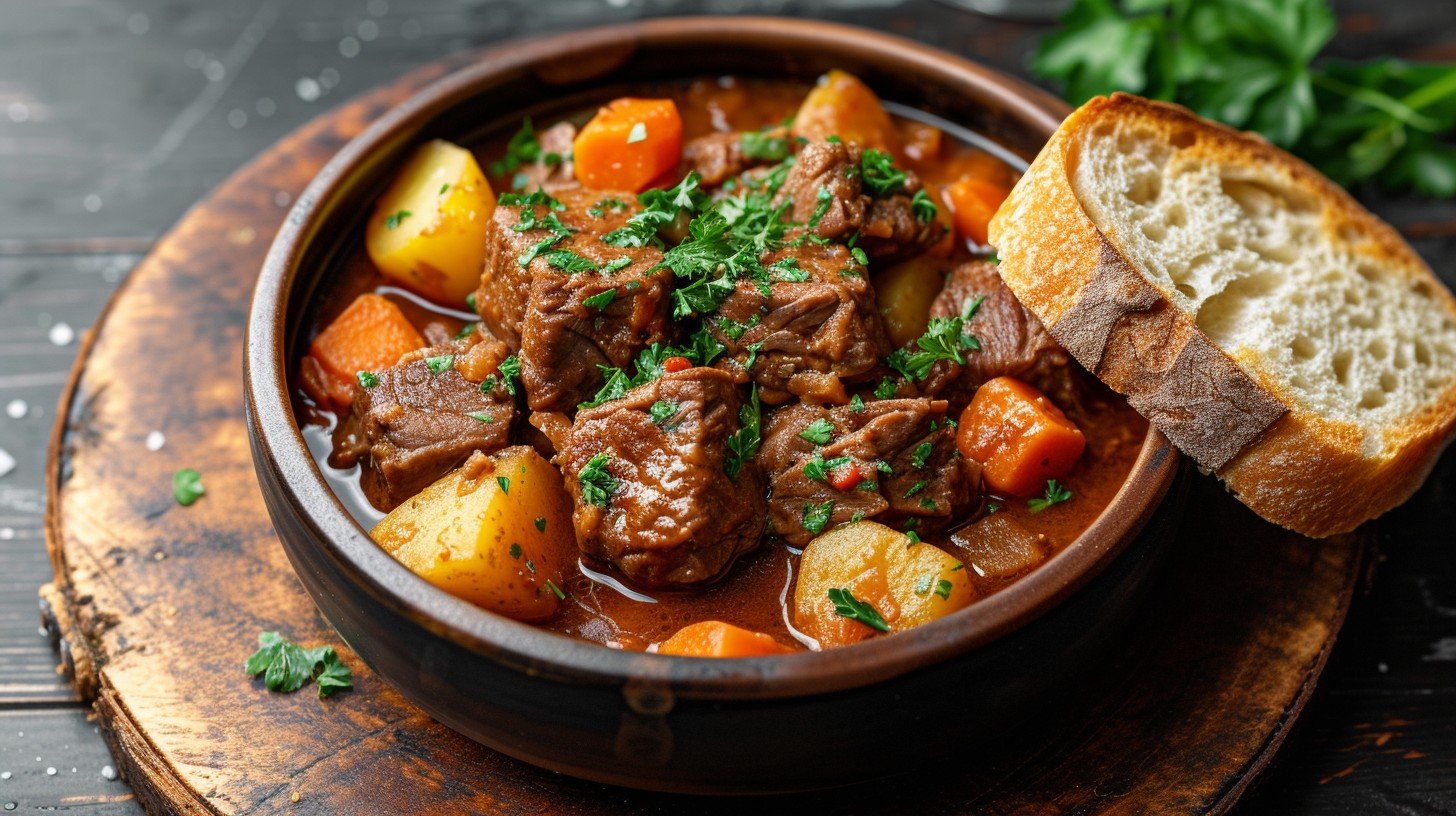
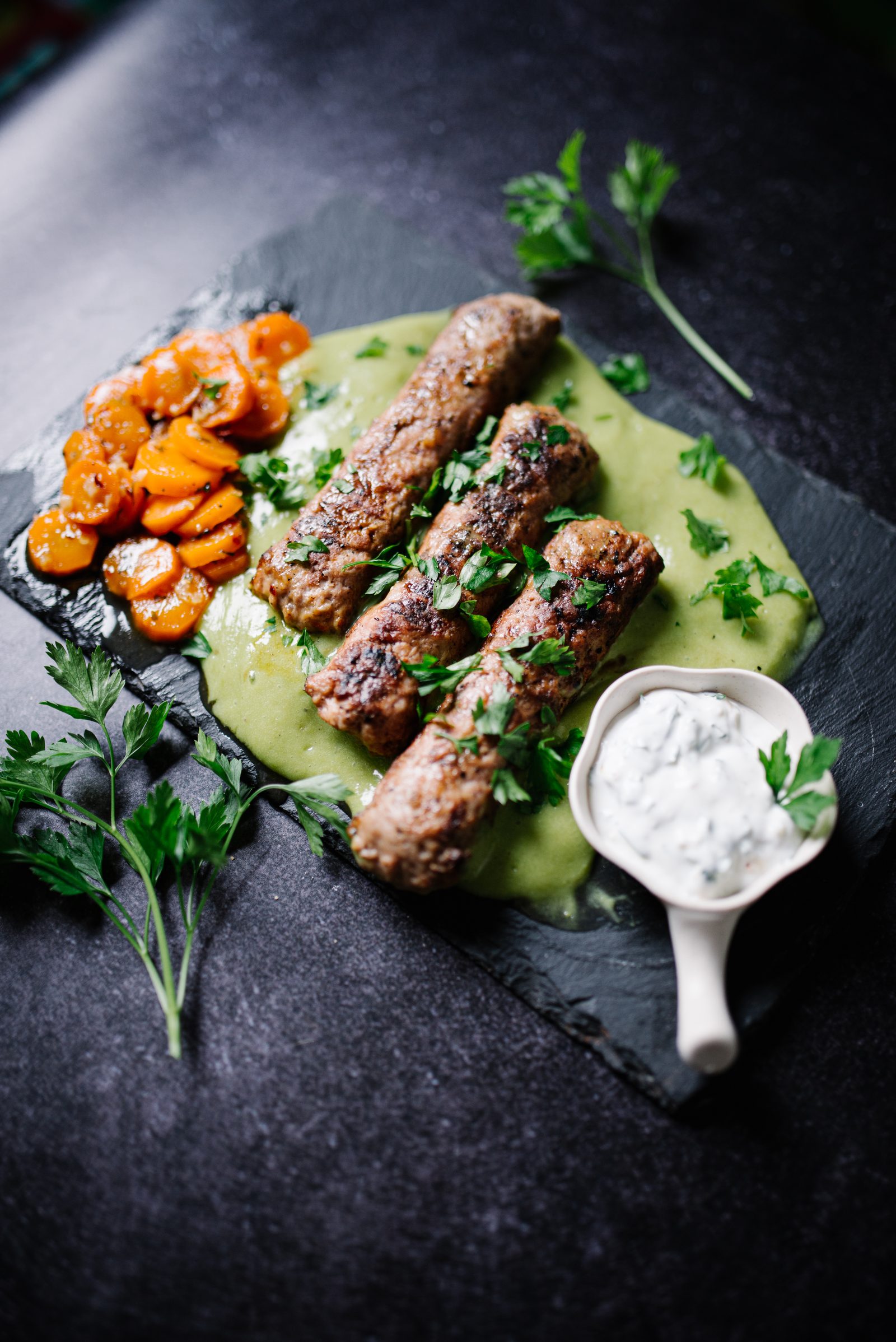
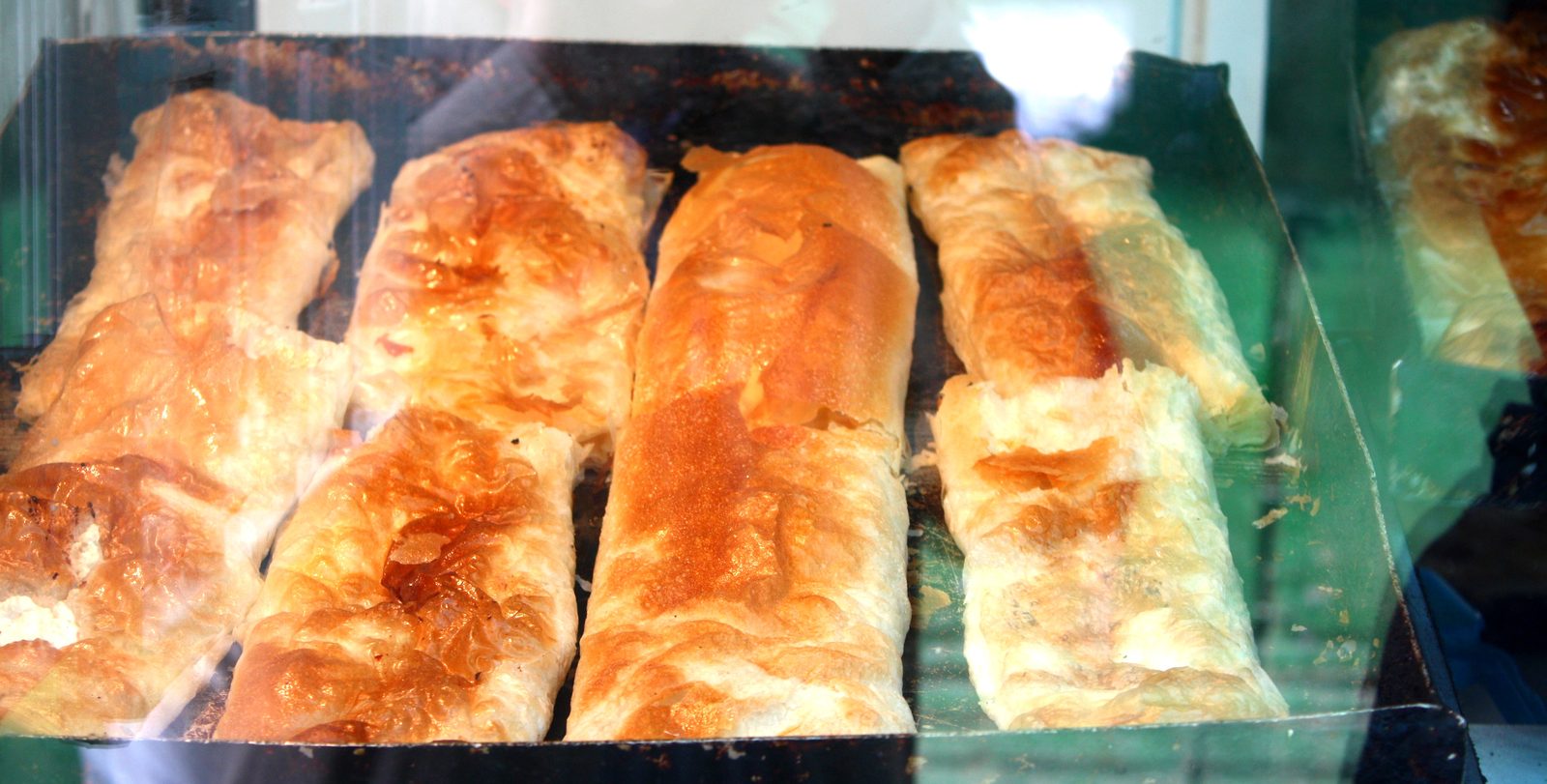

Looking for the restaurant you'll actually love, not just a list of names? Contact us and we'll point you in the right direction.
Transport
Public Transport
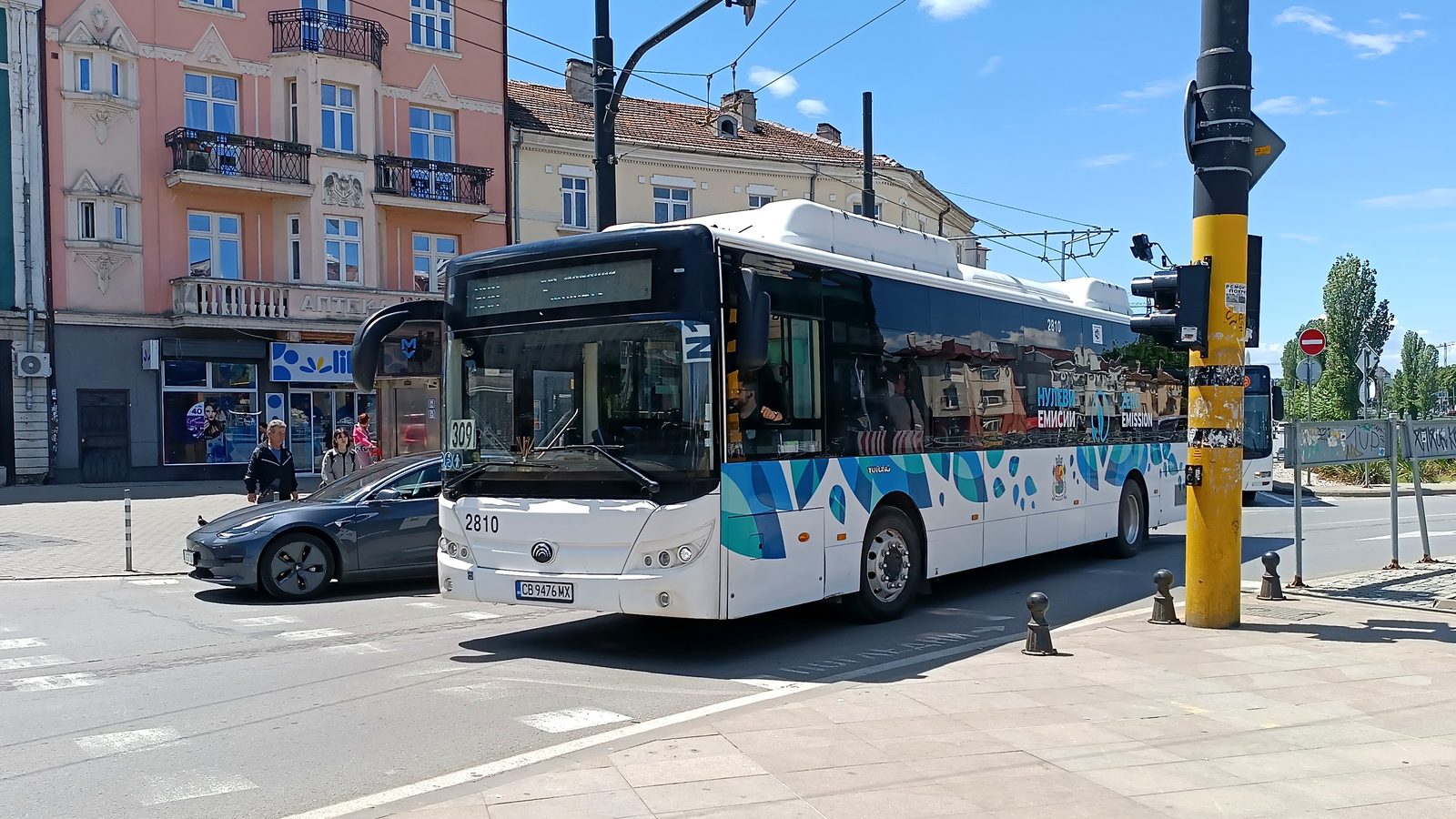
Sofia's transport prices became fixed, simple numbers after the euro changeover: a single ticket is €0.80 (valid 30 minutes with transfers), a 60-minute ticket is €1.10, a day pass is €2, and a monthly pass is €25.50 (€185/year). Discounted rates apply for students (€7.50/month) and pensioners (€12.70/month, or €5/month if over 68). Under-26s get their own annual Youth Card at €127.80/year — works out cheaper than the regular monthly pass if you'll be in Sofia for most of the year. The metro is clean, efficient, and expanding. Plovdiv and Varna rely primarily on buses, with single fares around €0.70–€0.80. Burgas has a similar bus network — a single ride is roughly €0.77 and a monthly pass around €30. Sunny Beach and Sveti Vlas don't have their own city transport network, but a frequent and cheap public bus line connects them to Burgas, Nessebar, and the rest of the coast in season.
Taxis and Ride-Hailing
Uber does not operate in Bulgaria — it was banned nationwide in 2015 and has not returned, despite the occasional outdated article claiming otherwise. Locally, apps like TaxiMe and Yellow Taxi are the standard way to book a ride, with metered rates around €0.55–€0.65/km; a typical city-centre ride in Sofia costs €3–€7. Always confirm the meter is running, or use an app where the fare is quoted upfront — unlicensed "scam" taxis circling airports and tourist areas are a known issue, especially in Sofia and on the coast in summer. Ask us to help you secure your travel pass or find cheap, licensed insured transfer — wherever you're based.
Fuel and Car Hire
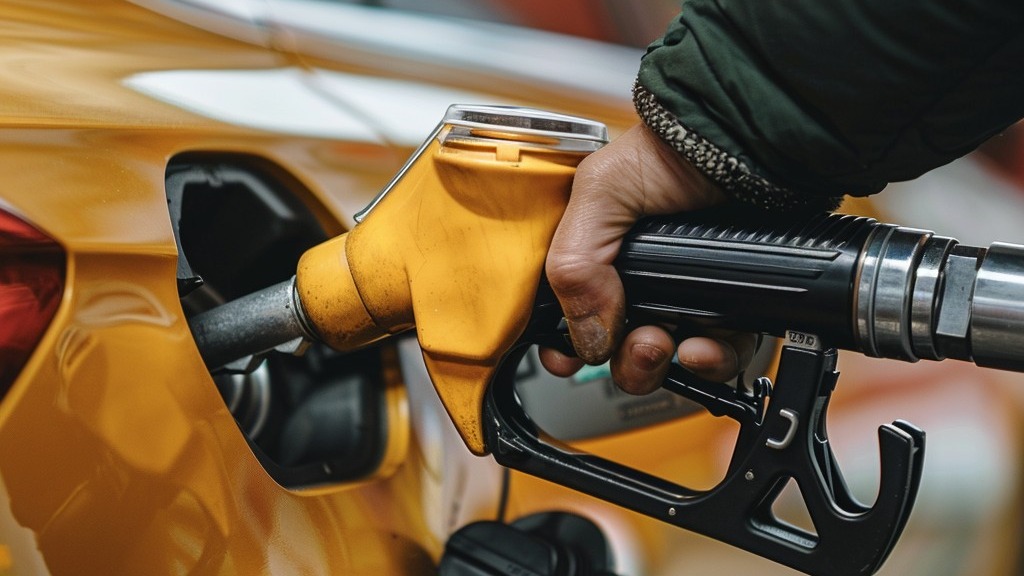
Fuel prices have settled post-euro at roughly €1.45–€1.55/litre for petrol (Euro 95) and €1.55–€1.65/litre for diesel — among the cheapest in the EU, around 10–15% below the bloc's average. Prices vary noticeably by brand and location: the larger chain networks tend to stay the most competitive simply due to scale, while brands like Eko and Shell typically sit at the higher end, especially for premium grades. The most reliable way to save isn't picking a specific brand, though — it's filling up before motorways and before resort areas on the coast or in the mountains, where prices are consistently higher regardless of who's selling the fuel. Car rental is genuinely inexpensive: Sofia is usually the cheapest base, with economy cars from around €15–€25/day in low season; Plovdiv, Varna, and Burgas airports are all well served too. On the coast in July and August, expect €25–€45/day as demand from holidaymakers pushes rates up. Reputable rental companies in Bulgaria typically include collision damage waiver, theft protection, and third-party liability in the quoted price — always confirm this before booking. You'll need to be at least 21 (some companies 19–20, with a young-driver surcharge under 25), and if your licence isn't in the Latin alphabet, bring an International Driving Permit. Ask us if you would like us to arrange — or check whether you can drive — here.
Healthcare
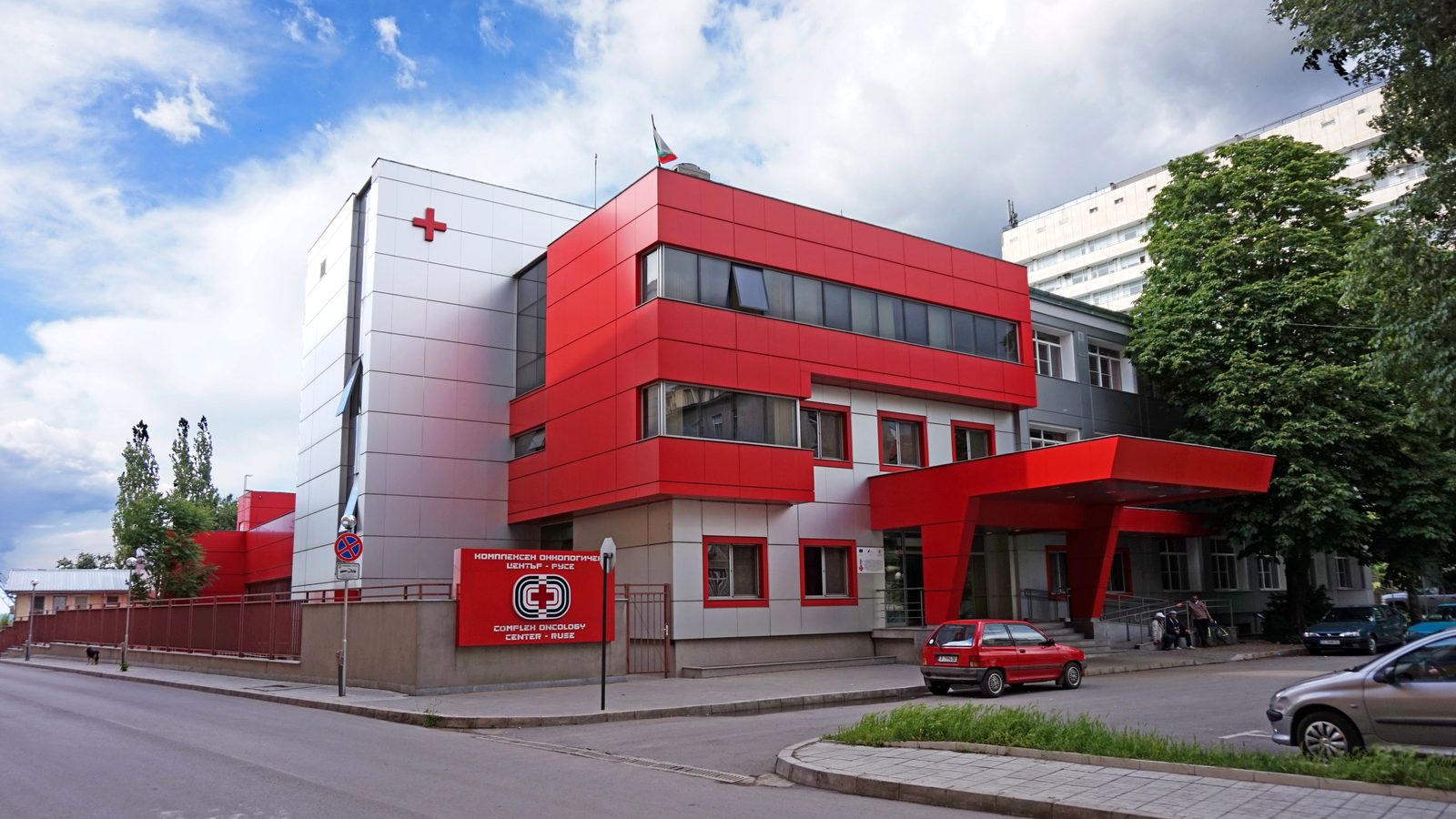
Bulgaria has public healthcare that residents and contributing workers can access through NHIF, the National Health Insurance Fund — self-employed contributions run around 8% of declared income. Many expats opt for private health insurance on top, and it's worth budgeting more realistically than older guides suggest: a comprehensive private plan typically costs €25–€100/month (roughly €300–€1,200/year) depending on age and coverage, not the €50–200 per year some sources still quote. Private clinic consultations run €30–€80, and private hospital stays remain a fraction of Western European prices.
Practical note: If you have a Bulgarian company (EOOD) and pay social contributions, you gain access to the public health system (NHIF). Many expats combine NHIF coverage with a private health insurance top-up for the best of both worlds.
Picking between NHIF, a private top-up, or both isn't a one-size-fits-all decision — it depends on your age, whether you're employed or self-employed, how often you actually use healthcare, and whether speed or cost matters more to you. Ask us to help you find a comprehensive health plan that fits your situation.
Utilities and Internet
| Service | Monthly cost |
|---|---|
| Electricity (1–2 bed apartment) | €40–€95 |
| Central heating (winter months) | €60–€160 |
| Water | €8–€16 |
| High-speed fibre internet (1 Gbps) | €10–€18 |
| Mobile phone plan (prepaid top-up, data + calls) | €8–€20 |
Bulgaria has some of the fastest and cheapest internet in Europe — a genuine advantage for remote workers and digital businesses. A combined utilities bill for an average apartment (electricity, heating, water, garbage) typically lands around €50–€150/month depending on the season and how cold your winter is. Note that the mobile figure above reflects prepaid top-up plans — a long-term postpaid contract with one of the three operators (A1, Vivacom, Yettel) typically costs more. Moving in and need it all set up before you arrive? Ask us to arrange your utilities and internet connection.
Attention, digital nomads: Bulgaria might just be your new favourite office. Fast, affordable fibre isn't reserved for the capital — it reaches small towns and the coast too, and free café Wi-Fi is the rule, not the exception, country-wide. Set up your laptop in a beach café near Burgas or a mountain village near Plovdiv and you'll get the same connection speed as downtown Sofia — just with a much better view.
Sample Monthly Budgets
| Profile | Essentials | Comfortable |
|---|---|---|
| Single person (Sofia) | €1,200–€1,500 | €1,700–€2,400 |
| Couple (Sofia) | €1,700–€2,300 | €2,500–€3,700 |
| Family of 4 (Sofia, incl. schooling) | €3,000–€4,000 | €4,700–€6,800 |
| Single person (Plovdiv) | €950–€1,250 | €1,350–€1,900 |
| Single person (Burgas) | €1,000–€1,300 | €1,400–€1,900 |
| Couple (Burgas) | €1,400–€1,900 | €2,000–€2,800 |
| Family of 4 (Burgas, incl. schooling) | €2,700–€3,600 | €3,800–€5,200 |
| Single person (Sunny Beach / Sveti Vlas) | €900–€1,200 | €1,300–€1,800 |
These figures cover rent, groceries, transport, utilities, health insurance, and a reasonable lifestyle. They exclude international school fees (€5,000–€15,000/year) and significant travel. Coastal figures assume a long-let, off-peak rent rather than summer holiday-rental pricing. If you own your home or aren't paying rent, subtract it from these figures — a couple in Burgas cooking at home, using public transport and a single car moderately, with no rent, typically lands closer to €500–€900/month for groceries, utilities, and transport combined.
Bulgaria vs. Western Europe: A Quick Comparison
| Sofia | Berlin | London | |
|---|---|---|---|
| 1-bed city centre | €600–€700 | €1,400–€2,000 | €2,000–€3,000 |
| Restaurant meal | €9–€16 | €15–€30 | €20–€40 |
| Monthly transport pass | €25.50 | €86 | €185 |
| Flat 1 Gbps internet | €12 | €40 | €45 |
| Corporate tax rate | 10% | ~30% | 25% |
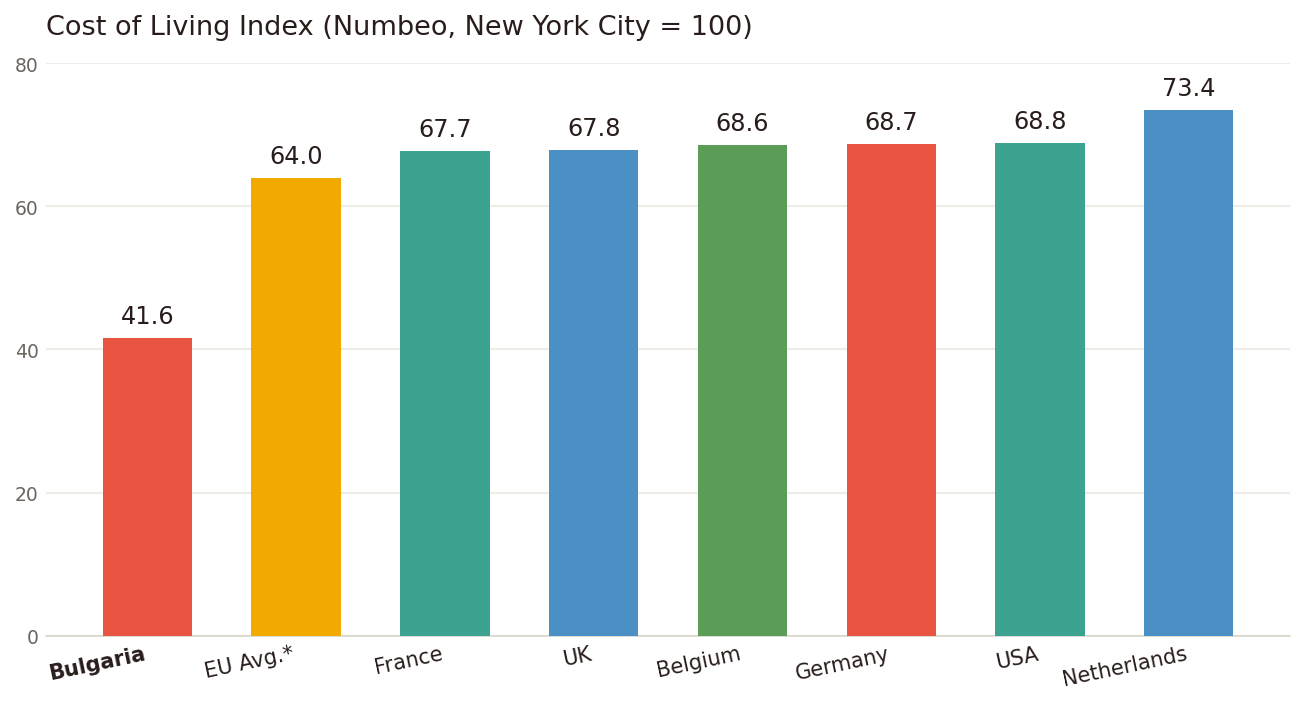
Source: Numbeo Cost of Living Index, 2026 (New York City = 100). *EU average is a simple average of the EU member countries shown here (Bulgaria, France, Germany, Belgium, Netherlands) — not the official Eurostat EU-27 figure, which uses a different methodology.
The Bottom Line
Bulgaria offers a quality of life that genuinely competes with Western Europe — arguably surpasses it in climate, food quality, and access to nature — at 30–50% of the price. For entrepreneurs running lean, remote-first businesses, or families seeking EU residency without a six-figure annual budget, it is an exceptionally rational choice.
Want to keep these numbers handy? Get the full guide as a free PDF — no email needed.
Download